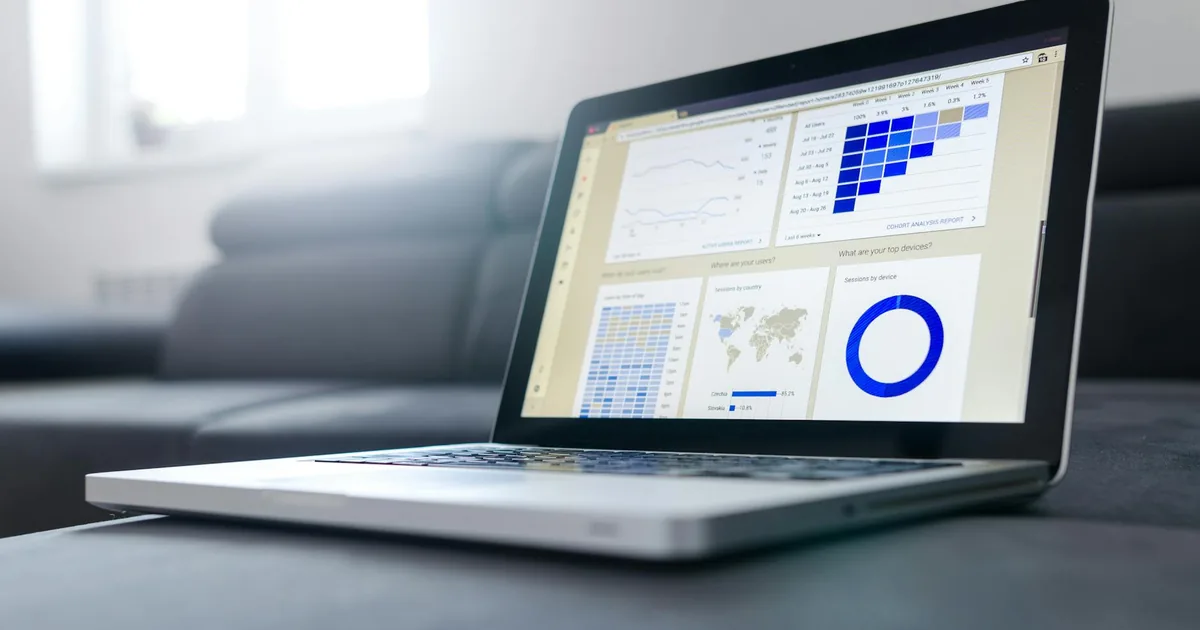
AWS Cost Review Checklist Guide for Small AWS Teams
An AWS cost review checklist for small teams: turn billing signals into owner, evidence, risk, and next-action…
Read the guide →
AWS FinOps Agent: What It Does and What to Still Check
AWS shipped a reactive cost-investigation AI. Here is what it covers, what it doesn't, and the prevention gap it leaves…
Read the guide →
How to Find AWS Waste: Beginner Guide for Small Teams
Narrow the bill by service, usage type, Region, and owner before changing anything.
Read the guide →
AWS NAT Gateway Cost: What Small Teams Should Check
Hourly, data processing, and traffic-path charges — reviewed safely before touching routes.
Read the guide →
EBS Snapshot Cost Cleanup Guide for Small AWS Teams
Review owners, AMIs, backups, and restore needs before deleting old recovery points.
Read the guide →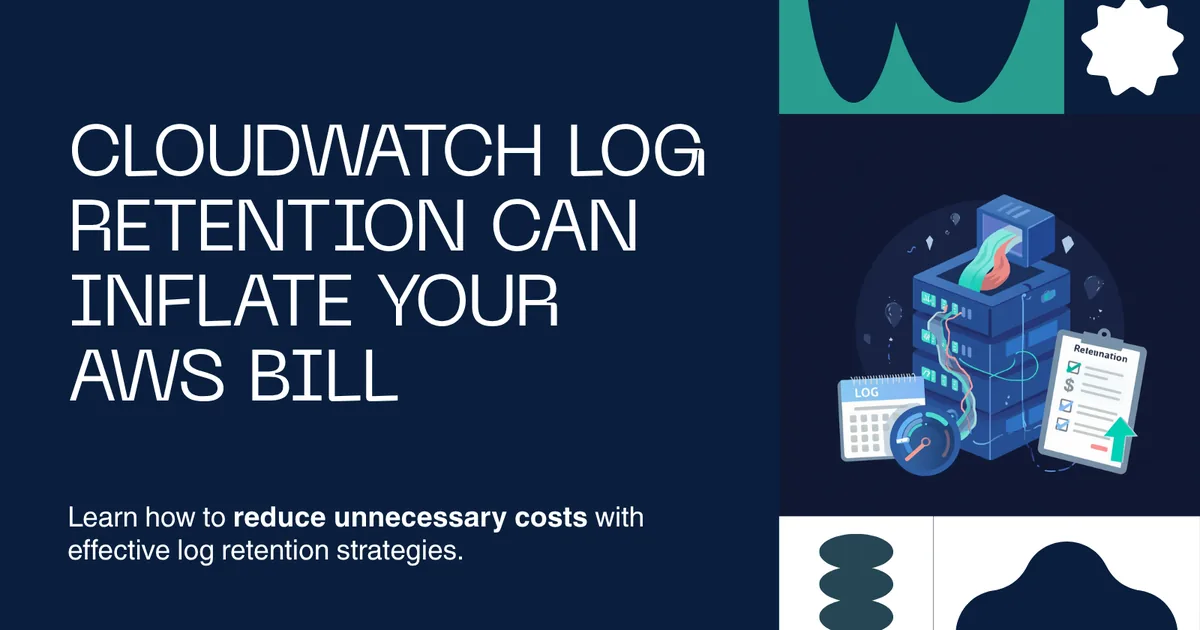
CloudWatch Logs Cost: How Retention Inflates Your AWS Bill
Find expensive log groups across ingestion, storage, and retention — and change them safely.
Read the guide →
CloudWatch Log Retention Cost Review Guide for Teams
Separate ingestion from storage retention, confirm owners, and verify before changing log settings.
Read the guide →
AWS Cost Optimization Checklist for Small AWS Teams
Find likely waste, verify owners and dependencies, and reduce spend without guessing.
Read the guide →
What Is EC2-Other in AWS Cost Explorer? A Safe Guide
EBS, transfer, NAT, and IPv4 hide in this line. Break it down and investigate safely.
Read the guide →
AWS Budgets vs Cost Explorer: Alerts vs Analysis Guide
Budgets for alerts, Cost Explorer for analysis — and where CUR and billing alarms fit.
Read the guide →
AWS Cost Explorer vs Pricing Calculator: When to Use Each
Cost Explorer for current spend, Pricing Calculator for estimates, CUR for exports.
Read the guide →
AWS VPC Cost and Pricing: What Actually Costs Money
NAT, endpoints, peering, public IPv4, and transfer — what to check before changing traffic paths.
Read the guide →
Elastic IP Cost in AWS: Public IPv4 Pricing Review
Find idle EIPs, verify owners, and release only safe candidates from your account.
Read the guide →
RDS Cost Optimization for Small AWS Teams: A Safe Guide
Instance size, storage growth, backups, Multi-AZ, and idle databases — reviewed without risky guesses.
Read the guide →
AWS S3 Cost Estimator: What to Check Before You Guess
Storage class, requests, lifecycle rules, retrieval, and transfer — before trusting any estimate.
Read the guide →
AWS ECR Cost: How to Control Registry Spend Safely
Image storage, transfer, scanning, and cleanup drift — with safer lifecycle policies.
Read the guide →
EBS Snapshot Cost: How to Find Old Snapshots Safely
Old backups and rollback points hide here. Find review candidates and verify ownership first.
Read the guide →
Cloud Computing Cost Savings Guide for Small AWS Teams
Savings are not automatic. Build a monthly review that finds waste and verifies owners.
Read the guide →
Welcome to Cloud Cost Clinic: Safe AWS Cost Cleanup
The principle behind every guide: verify ownership and dependencies before cleanup.
Read the guide →Put it into practice
Reading is step one. Checking your account is step two.
Run the free read-only scan
See which of these waste patterns are in your AWS account. Read-only role, no write access, review queue — not a delete list.
Get started →Download the waste checklist
The AWS Cost Waste Checklist for Small Teams covers what to check, why it matters, and how to verify before acting.
Free PDF →The core principle
Possible waste is not automatically safe to delete. Verify owner, usage, dependencies, backups, and rollback first. The goal is not to delete more — it is to delete safely.